|
|

|
|
|
|
If you are looking for a vacation rental on PEI or a perfect rental cottage
for your next PEI Vacation. Then we invite you to view our
following PEI vacation rentals, PEI cottage rentals and other accommodations.
There are currently 13 listings that match your search criteria.
This is page 1 of 1
|
 | Innis Bryn
Welcome to Innis Bryn - a bright, spacious, ocean view property with beach access just steps away. The cottage has a large yard with lots of green space and a swing set. The cottage offers ocean views More Info...
FEATURES: Ocean view, Beach, AC | FROM:$2,300
TO:$4,600
SLEEPS: 8
BATHS: 2
* RATING: | |
|
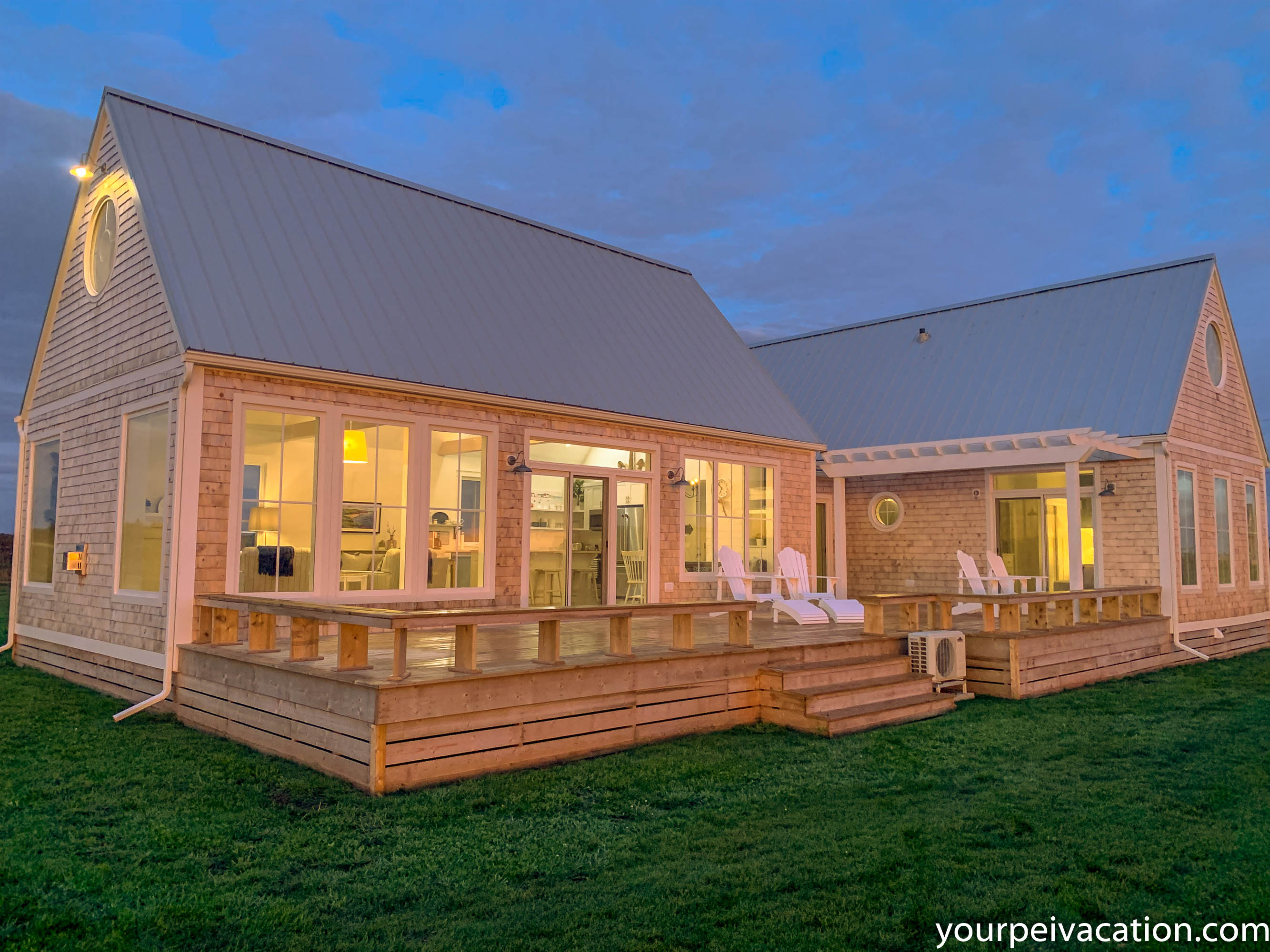 | Graham's Reef
Graham’s Reef was newly constructed in 2019 on close to an acre lot. This quintessential beach house is situated to maximize privacy, sunshine & ocean views. A beautiful north shore beach is ju More Info...
FEATURES: Ocean view, Beach, AC Throughout | FROM:$2,300
TO:$4,400
SLEEPS: 8
BATHS: 2
* RATING: | |
|
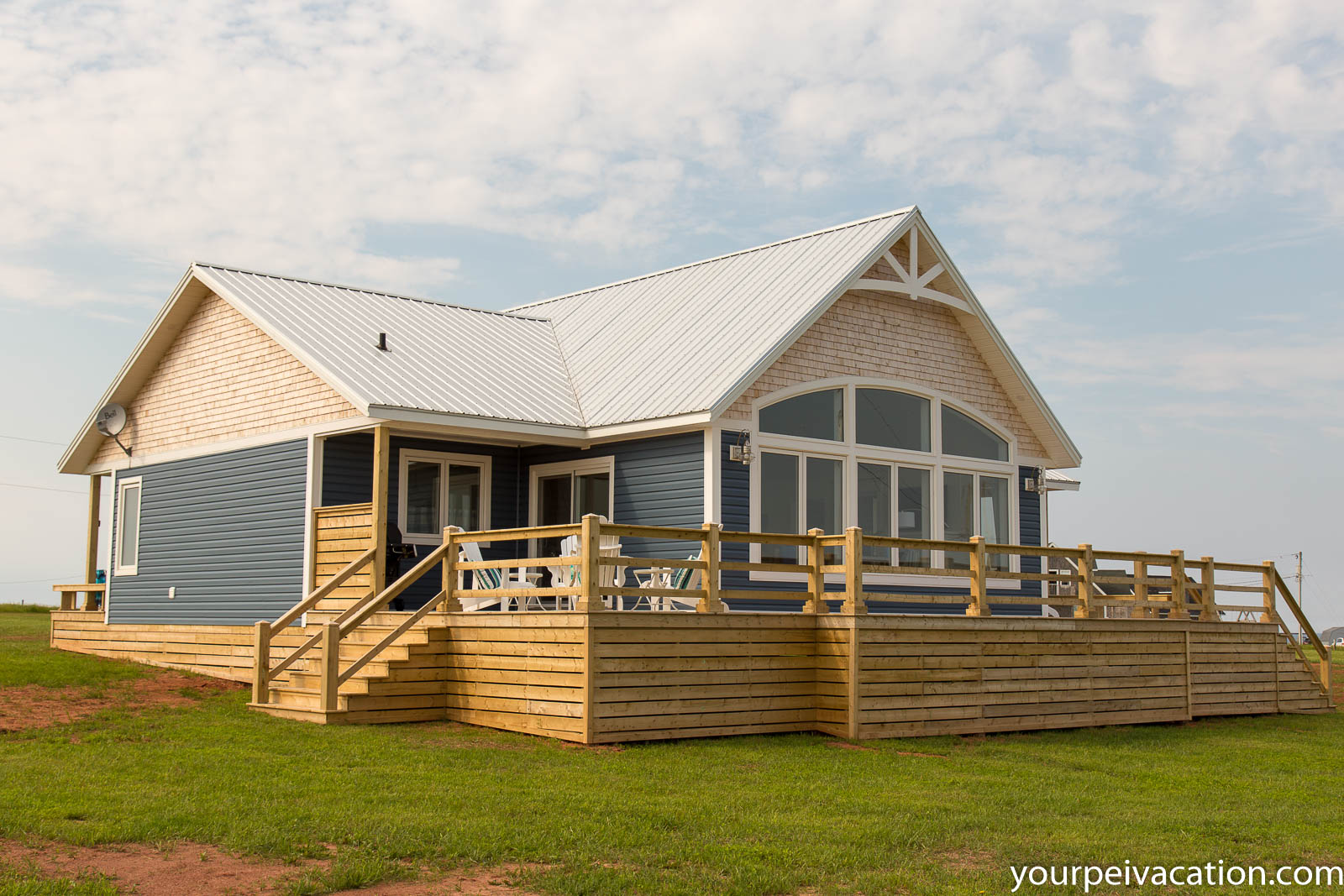 | Ocean Breeze Hideaway
Ocean Breeze Hideaway offers guests both ocean and countryside views. The clincher, it's a 2 minute walk (literally) to a gorgeous and very secluded beach. The cottage was positioned for maximum priva More Info...
FEATURES: Ocean view, Beach, AC | FROM:$2,150
TO:$3,950
SLEEPS: 8
BATHS: 2
* RATING: | |
|
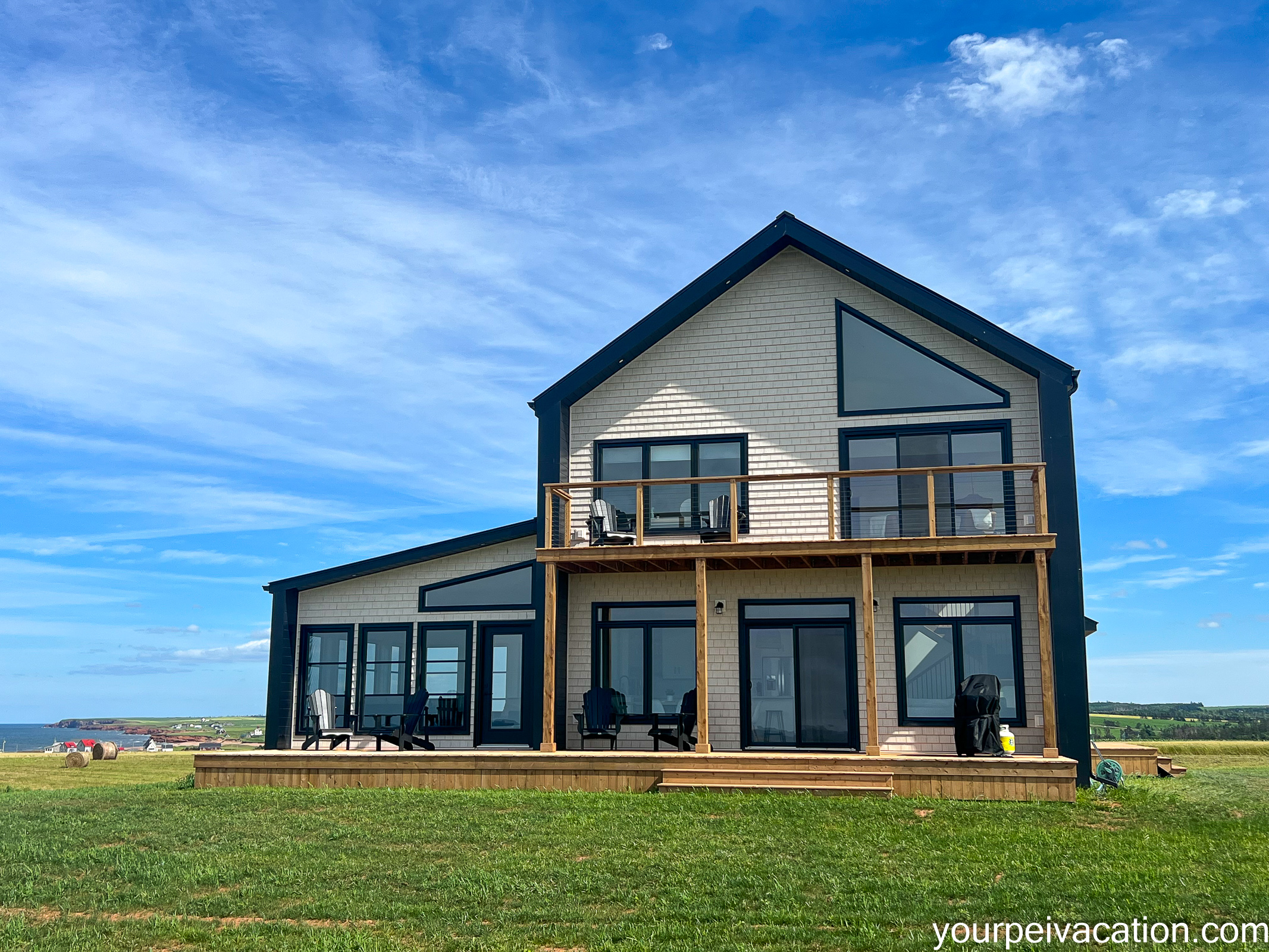 | Maud and Rae's Sommarstuga
Maud & Rae's Sommarstuga is a new (2023) build located off Branders Shore Road in Sea View with beautiful and far-reaching ocean views from nearly every room! The cottage is a 15 minute stroll to a go More Info...
FEATURES: Ocean view, Beach, Sunroom, AC | FROM:$2,400
TO:$4,600
SLEEPS: 10
BATHS: 2.5
* RATING: | |
|
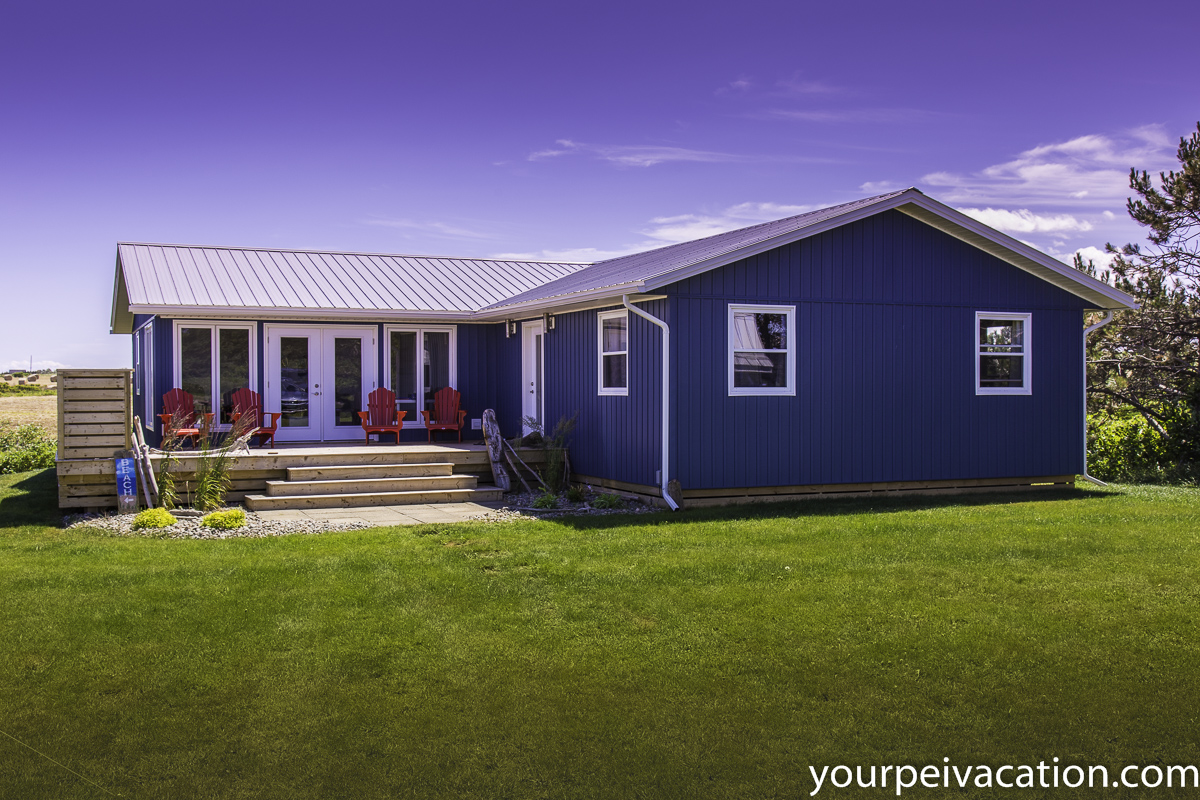 | Blue Beach House
Blue Beach House is located on the north shore of PEI in the very popular Darnley area (on a great treed lot) and is within walking distance of the beautiful Penderosa Beach. A key feature!
More Info...
FEATURES: Walk to Beach, AC, Sunroom | FROM:$1,900
TO:$3,150
SLEEPS: 8
BATHS: 2
* RATING: | |
|
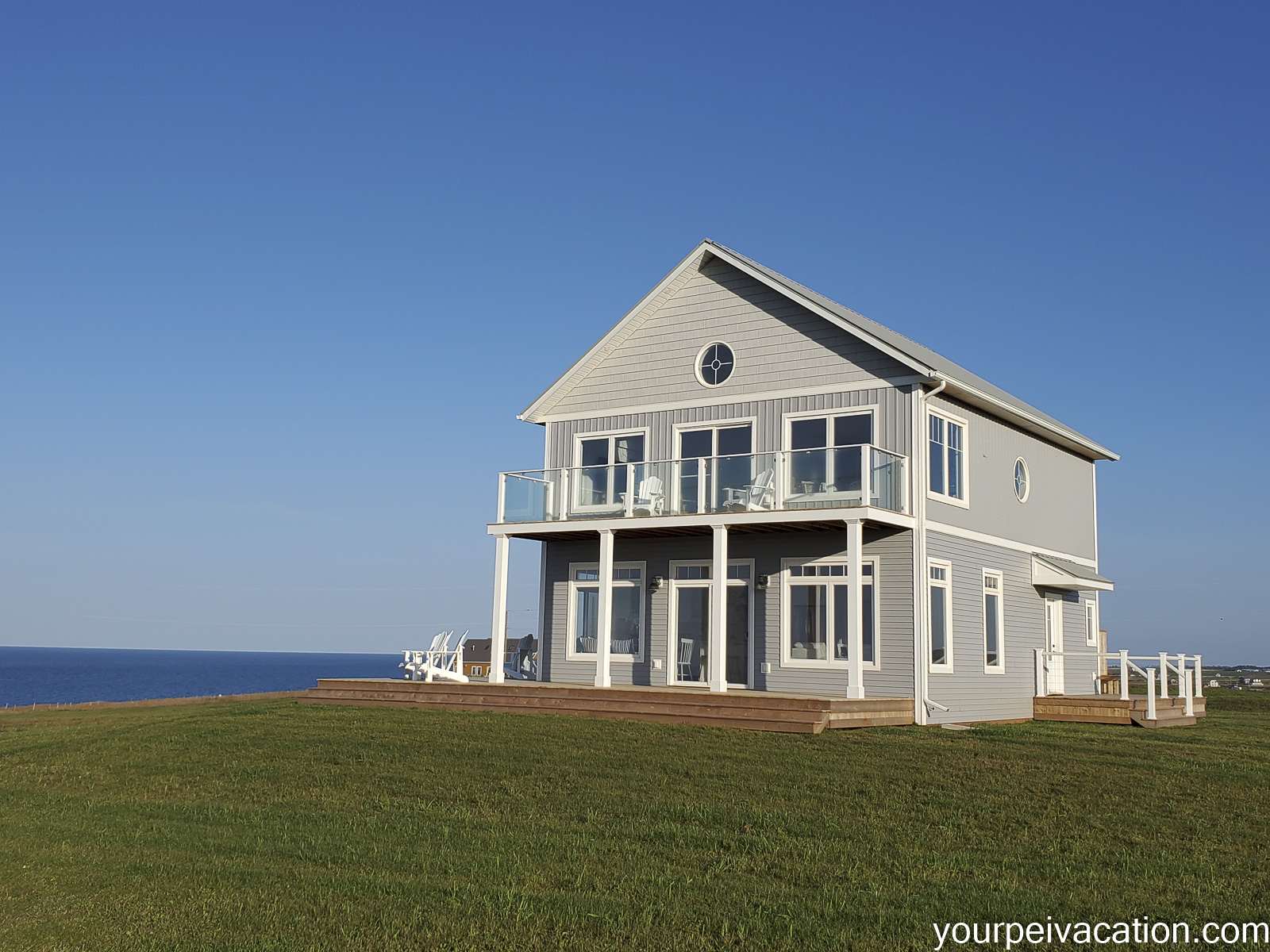 | The Ocean Stone
The Ocean Stone has incredible and panoramic ocean views from multiple rooms. The cottage is located in the very popular Sea View community and has access to a beautiful uncrowded beach just down Bran More Info...
FEATURES: Panoramic Ocean Views, Beach, AC | FROM:$2,200
TO:$4,350
SLEEPS: 8
BATHS: 2.5
* RATING: | |
|
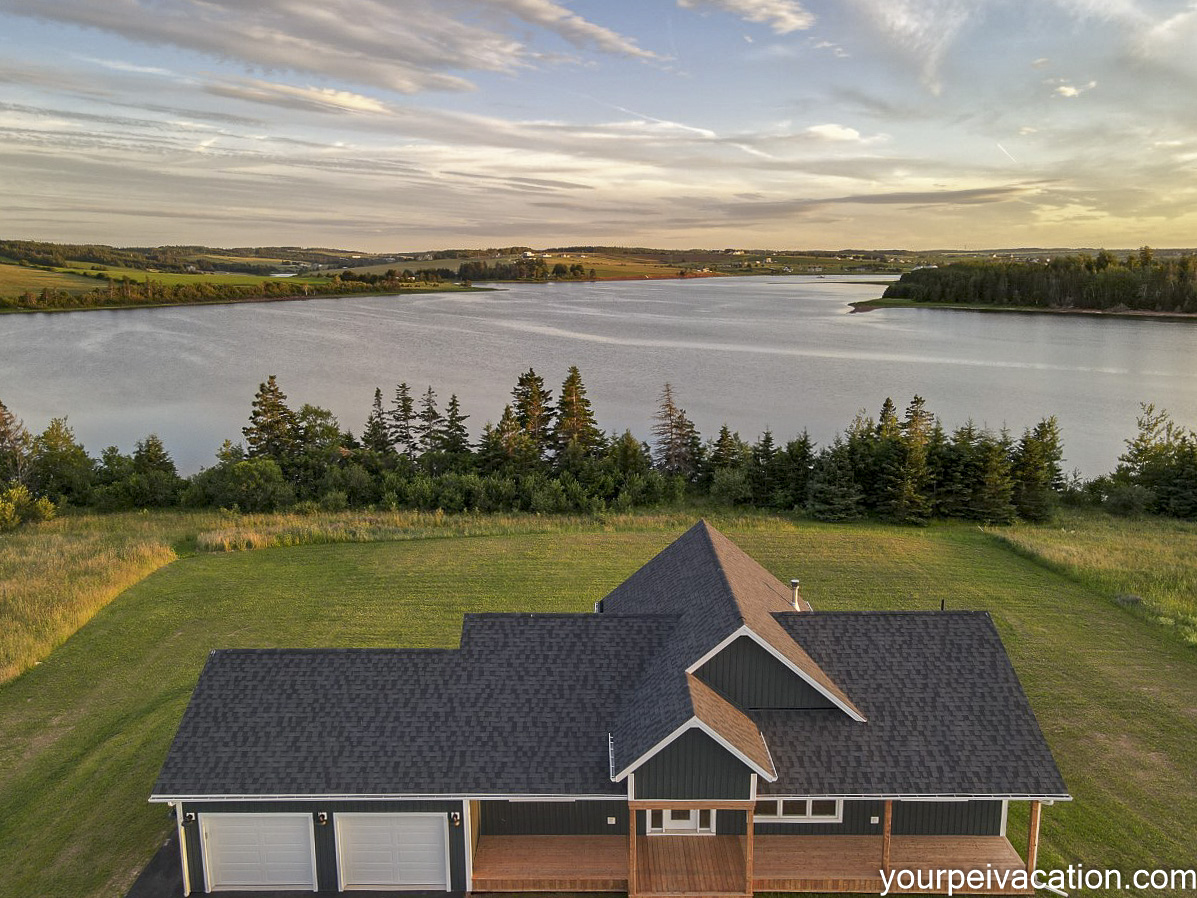 | Cannon Creek
Cannon Creek was newly built in 2021 and sits on a large lot overlooking Long River, just minutes from picturesque New London. Stairs directly off the back yard lead to the waterfront shore where you More Info...
FEATURES: Waterfront, Hot-tub, AC, Sunroom | FROM:$3,200
TO:$5,800
SLEEPS: 12
BATHS: 3
* RATING: | |
|
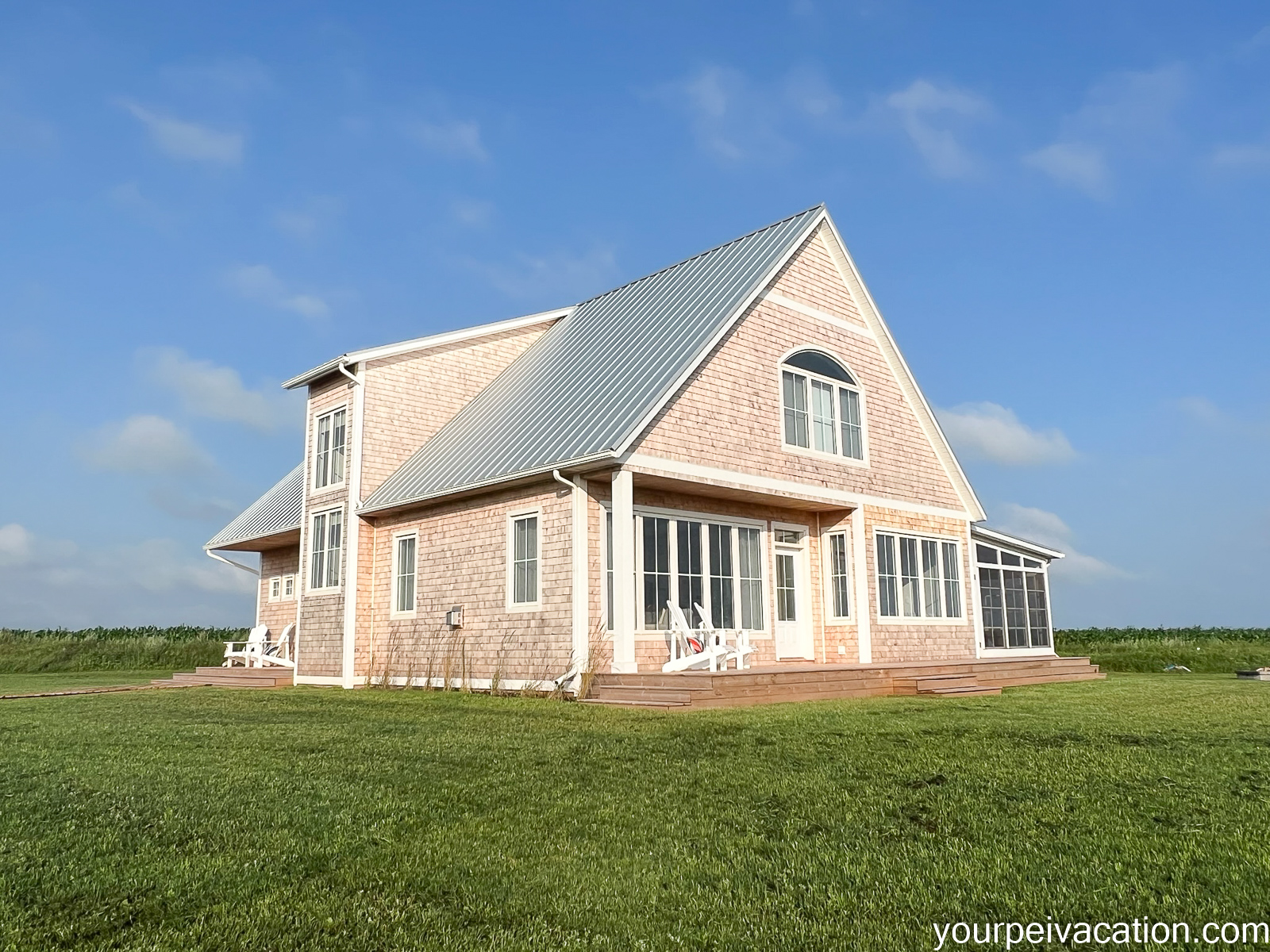 | Craig's Keel
Craig’s Keel is our newest build in the popular Sea View area with easy (a 30 second walk) access to miles of sandy beaches, gorgeous ocean views, stunning sunsets and that serene but upscale east c More Info...
FEATURES: Ocean view, Beach, Sunroom, Hot Tub, AC | FROM:$3,500
TO:$7,650
SLEEPS: 10
BATHS: 3.5
* RATING: | |
|
 | Sea's the Moment
Sea’s The Moment is a beautiful oceanfront cottage on PEI’s popular north shore coastline in Sea View. The sturdy beach stairs are about a 60 second walk away and lead to a gorgeous and super-secl More Info...
FEATURES: Oceanfront, Beach, AC | FROM:$2,400
TO:$4,800
SLEEPS: 10
BATHS: 2
* RATING: | |
|
 | Seacliff Cottage
Seacliff is a charming (newly built 2024) oceanfront cottage on the north shore of beautiful Sea View, PEI. It is a 15 minute walk or a quick drive to a gorgeous uncrowded beach that stretches for mil More Info...
FEATURES: Oceanfront, Beach, AC | FROM:$2,300
TO:$4,475
SLEEPS: 10
BATHS: 2.5
* RATING: | |
|
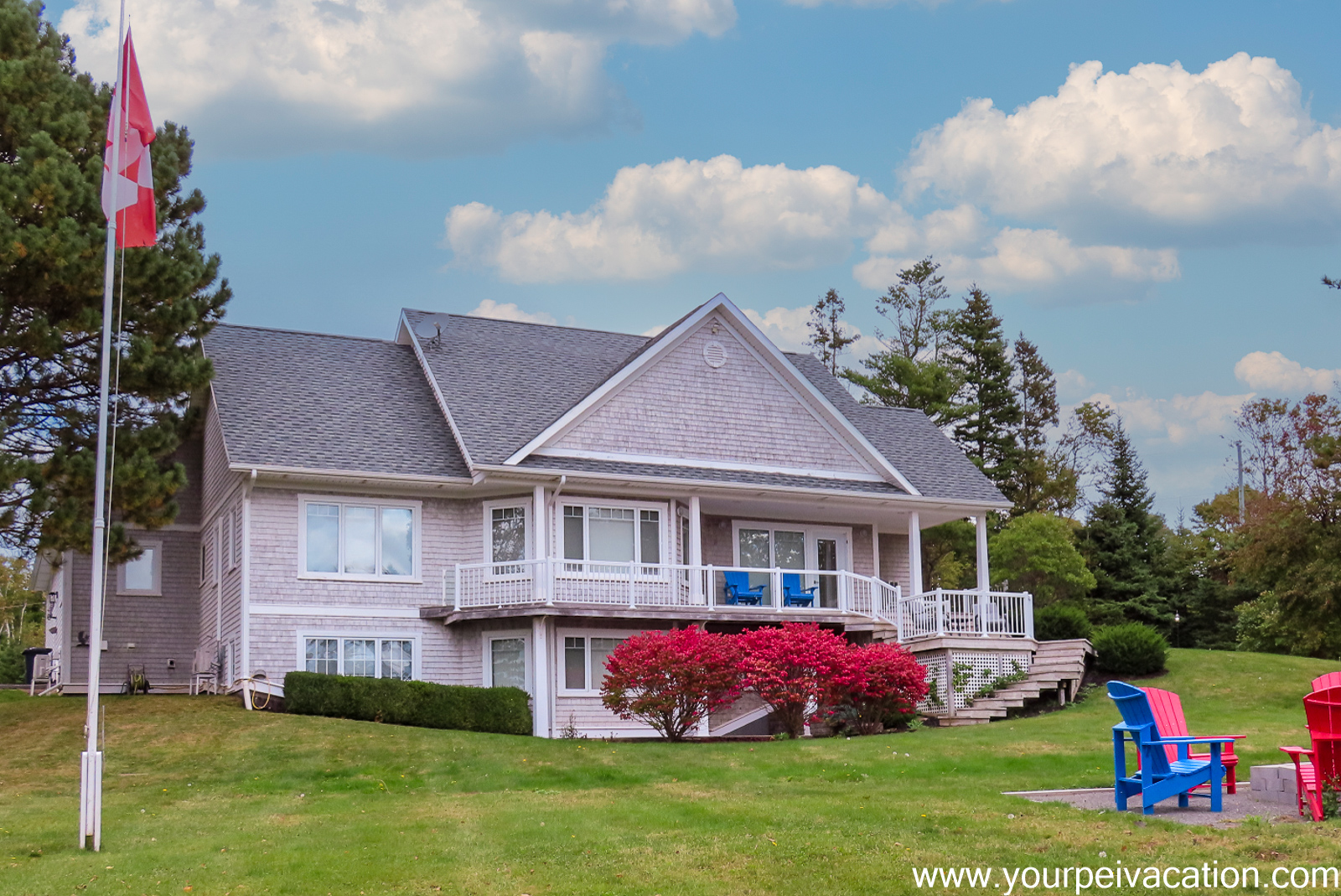 | Privateers
Privateers is nestled on a gorgeous, treed, waterfront acreage that overlooks the expansive Stanley River on the north shore of PEI and treats its guests to loads of peaceful privacy. Walk down the ba More Info...
FEATURES: NEW! Waterfront, Acreage, Kayaks, AC | FROM:$3,000
TO:$5,500
SLEEPS: 10
BATHS: 3.5
* RATING: | |
|
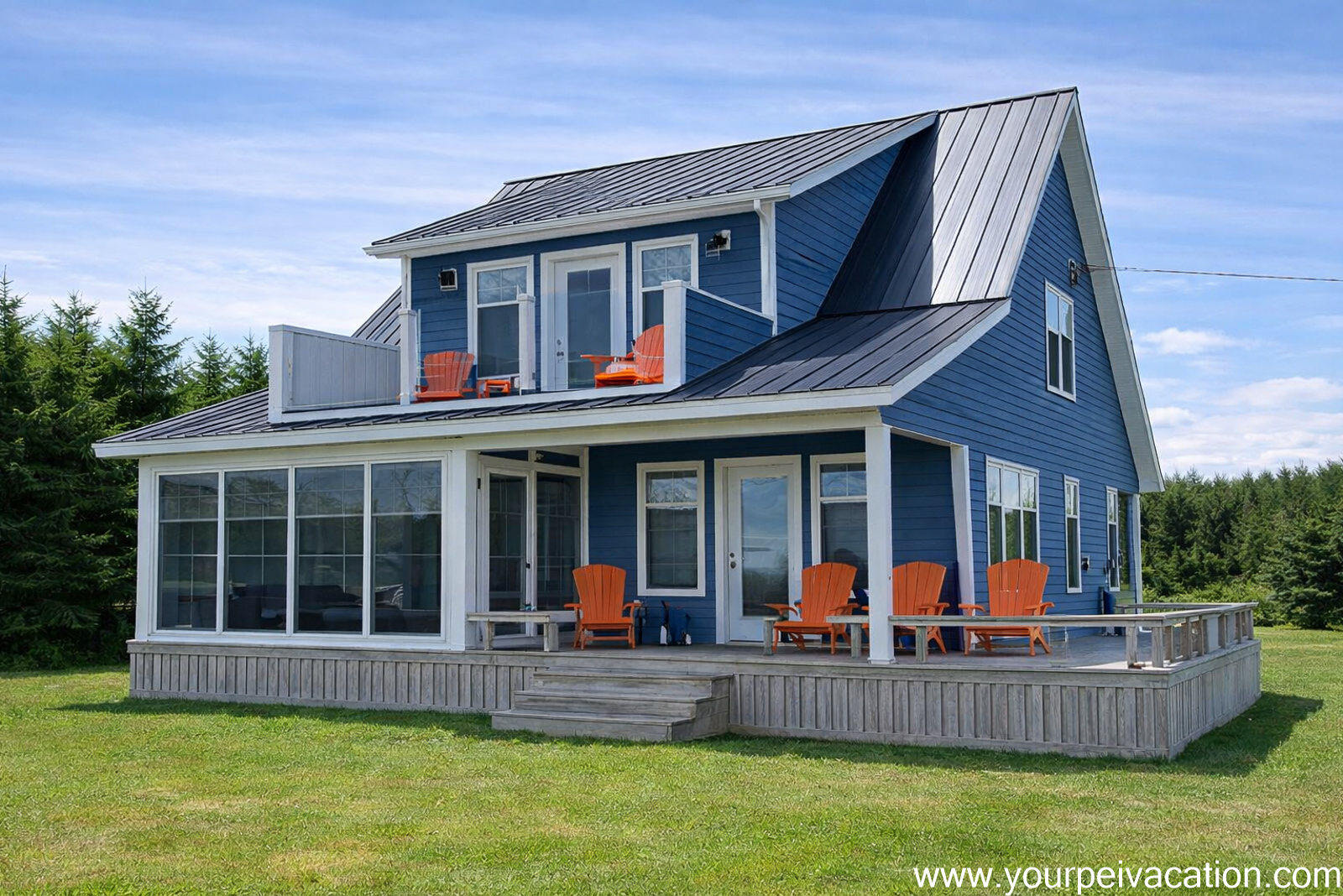 | Atlantic Blue
Atlantic Blue is a beautiful and welcoming cottage on PEI's very sought-after north shore at Penderosa Beach. Perfect for a relaxing Island getaway! Sleeping 8-9 guests in 4 bedrooms and with 2.5 bath More Info...
FEATURES: NEW! Walk to Beach, AC, Sunroom | FROM:$2,200
TO:$4,200
SLEEPS: 8
BATHS: 2.5
* RATING: | |
|
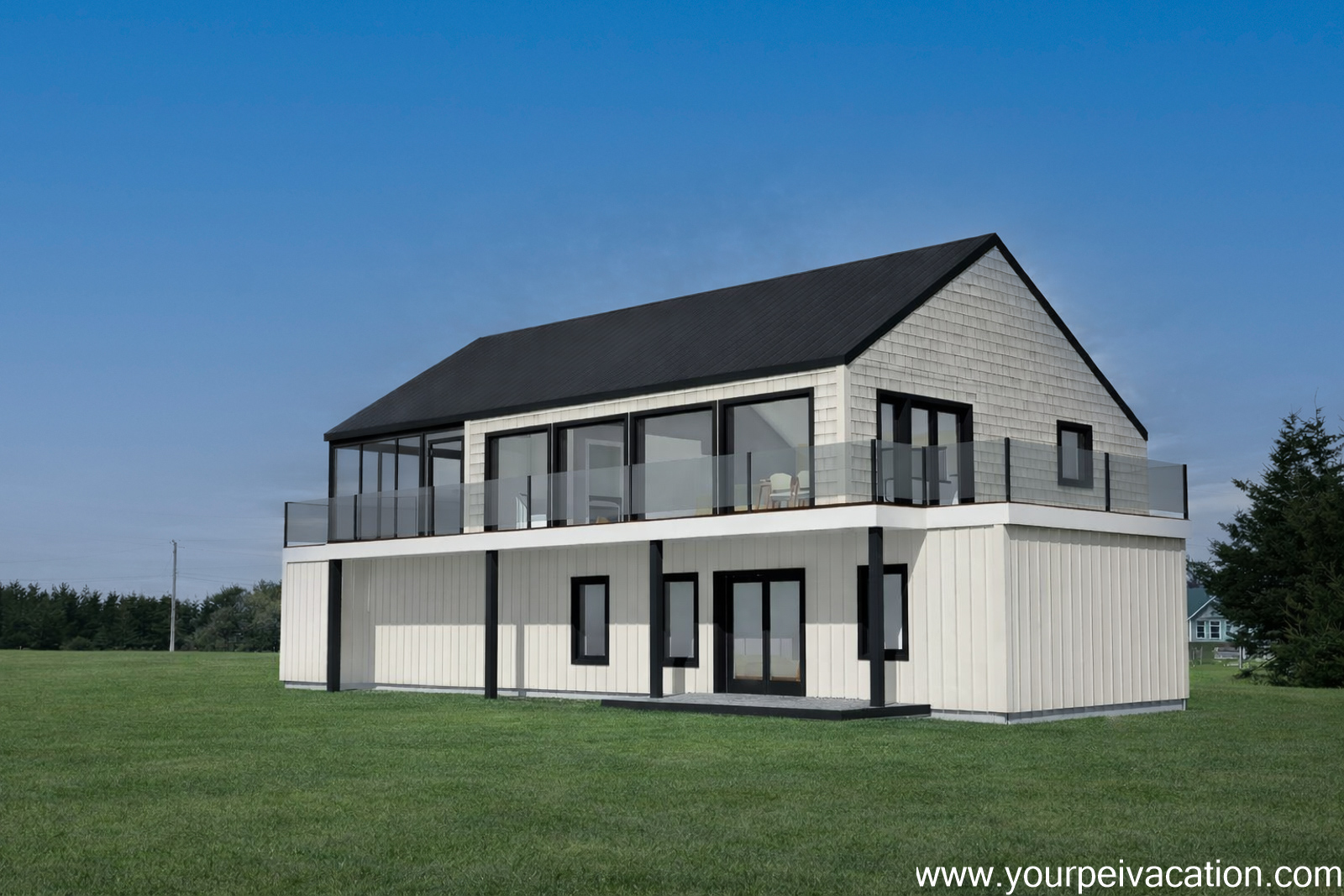 | Solheim
Progress build photos to be added as available, floor plans included to help you visually walk through the spaces...now available for booking! Please email any questions to relax@yourpeivacation.com, More Info...
FEATURES: NEW! Ocean view, Beach, AC, Sunroom | FROM:$2,800
TO:$4,400
SLEEPS: 8
BATHS: 2.5
* RATING: | |
|
|
|
|